

Meet the 2025 school counselor of the year finalists
By Cindy Jara, Reach Higher Digital Communications Manager
February 4, 2025
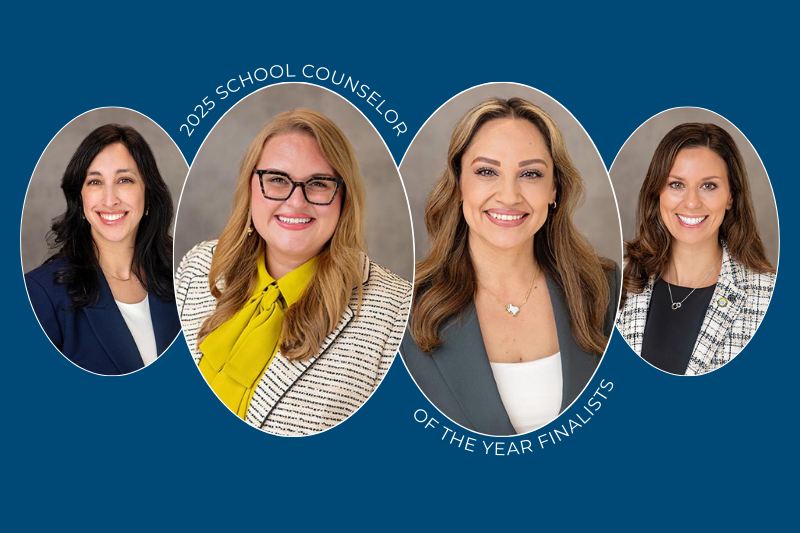
Every year, I get the opportunity to meet five incredible school counselors who have been recognized as their state School Counselor of the Year and are in the running to be the American School Counselor Association's national School Counselor of the Year.
Over the last decade at Reach Higher, we have been proud to support and celebrate the school counseling profession and the educators who help change students' lives every day through their commitment to fostering a school culture prioritizing postsecondary success. We also believe that it’s never too early to start the college application process, and it starts with being empowered with information. So today, you’ll meet four school counselors who do incredible work helping students regulate their emotions, make empowered life-changing decisions, and celebrate their wins and losses.
Enjoy getting to know the four finalists for the 2025 School Counselor of the Year:
- Lisa Delgadillo – elementary school counselor from Chicago, Illinois
- Hanna Kemble-Mick – elementary school counselor from Topeka, Kansas
- Stephanie Leibowitz Nelson – high school counselor from Garner, North Carolina
- Rosie Rodriguez – elementary school counselor from El Paso, Texas
What role does advocacy play in your work as a school counselor?
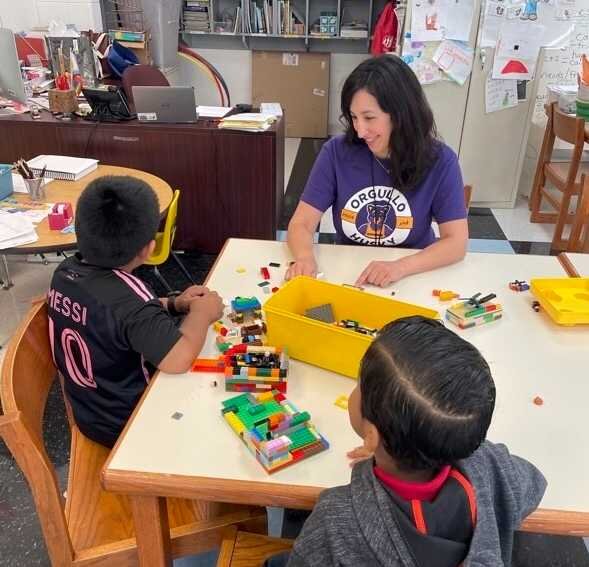
Lisa Delgadillo: It is at the core of my work. I advocate for social-emotional learning activities to help all students build critical skills like empathy, acceptance, self-regulation, and perseverance. I root these broad advocacy efforts in behavior data, student surveys, and teacher referrals to ensure the work is tailored, progress is measured, and successes are celebrated.
I also advocate for using targeted social and emotional interventions for students with behavior referrals. We collaborate with teachers, administrators, and families to ensure consistent support of our students’ SEL skill-building. Providing students with time and support to de-escalate, repair harm, and learn from behavior challenges can provide lasting outcomes. One of my favorite interventions is check-in/check-out. Students have a brief daily morning and afternoon “check-in” with a trusted staff member and have their desired behaviors positively reinforced throughout the day. This helps build social-emotional skills and strong relationships with supportive adults at school.
What’s the most valuable lesson your students have taught you during your time as a counselor?
Hanna Kemble-Mick: My students have taught me that you’re never too young to make a difference. Their courage, ambition, and creativity inspire and push me to think bigger. Instead of asking “why,” I now ask, “why not?” This shift has allowed me to support their ideas in ways that create meaningful change. I’ve seen students start businesses, write books to help their peers, support villages in Africa, and design pet products for our local humane society. All of these accomplishments come from students who are just 12 and under. They’ve shown me that when we provide opportunities to explore their creativity and passions, the outcomes are endless and inspiring. They will exceed every expectation if we make space for their ideas and innovation.
How can families begin fostering college awareness at home during the elementary years?
Rosie Rodriguez: As an elementary school counselor, I believe it’s important to promote an environment that emphasizes the importance of higher education. And families can help nurture that love for higher education at home. Introducing children to future opportunities and building a strong educational foundation can begin at any age. Families can support their children's aspirations and goals while nurturing their unique interests and talents. By implementing simple, consistent habits, families can cultivate a mindset geared towards higher education. Small actions such as reading together, setting academic goals, and visiting colleges with specific programs can help lay the groundwork for a strong focus on college. By taking small actions now, families can create a lasting impact as their children progress through their school years.
Can you share a moment when a student’s success reaffirmed your passion for school counseling?
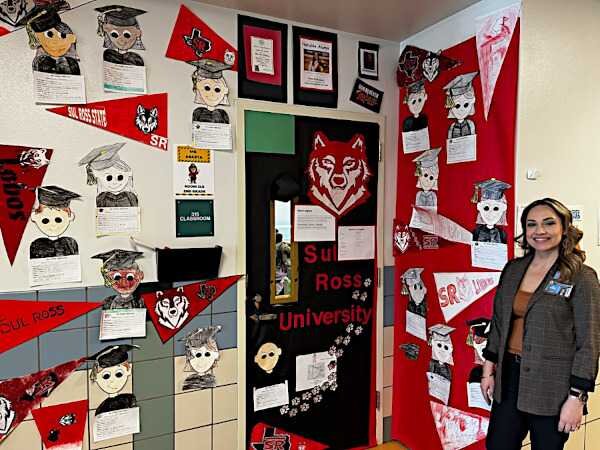
Stephanie Leibowitz Nelson: It can sometimes feel like we are dragging high school seniors to the finish line, especially right before graduation. One year, my team and I used data to identify seniors failing one or more courses required for graduation. We found that Latino males were the largest group of students struggling academically. We implemented targeted interventions––small group sessions, classroom instruction, and individual counseling––focused on identifying barriers, encouraging attendance, and teaching organization and time management.
One student I’ll never forget was especially grateful for the opportunity to graduate on time and for the structured support he received throughout the year. I watched him mature, learn to advocate for himself and maintain his grades. His hard work paid off—he not only graduated alongside the 25 other identified seniors but also enlisted in the Army. He reaffirmed my passion for school counseling when he shared that the support he received from me inspired him to serve in the military to help others.
What inspires you to keep advocating for your students, even during challenging times?
Rosie Rodriguez: I remind myself that my advocacy can be life-changing for them. I want to help my students not just navigate challenges but thrive despite those challenges. Knowing that my advocacy can impact their future drives me to nurture strong, positive relationships. These relationships are crucial in providing the necessary support for students' emotional and mental health to create a safe space for them to thrive in all aspects of their lives.
How do you introduce the idea of college to elementary school students in an age-appropriate way?
Hanna Kemble-Mick: After reading a Getting Smart article about shifting the focus from ‘careers’ to ‘problems to solve,’ I stopped asking students, “What do you want to be when you grow up?” and started asking, “What kinds of problems would you like to solve?” This change has sparked incredible curiosity and helped students connect their passions to meaningful careers. We host virtual Lunch and Learn sessions via Zoom, where students meet professionals from across the U.S. in unique and lesser-known fields — like a scuba diver, a New York Times Best-Selling Author, and even a cat food and kitty litter scientist (yes, that’s a real job!). These sessions allow students to ask questions and learn about the education and skills required for these roles.
How do you balance guidance for students applying to college with support for those taking alternative paths, like trade school or entering the workforce?
Stephanie Leibowitz Nelson: I make sure to encourage, normalize, and celebrate all postsecondary options. In conjunction with our college planning initiatives, I advise on how to pursue the “4Es”: Enrollment, Enlistment, Employment, and Entrepreneurship. During our “Free College Application Week,” I visit classrooms to get seniors excited about applying to specific colleges for free and early on in the year. They fill out a card about all of their 4E plans and then display them for all grade levels to inspire paths for other students.
I also partner with our school’s Career Development Coordinator and serve on the Business Alliance to refer students to career fairs, internships, and other opportunities like college fairs, visits, on-site admissions, and financial aid nights. I also meet individually and in groups to help students with their course selection based on their goals. If students would like to pursue a 4-year institution, I emphasize the importance of rigor and how to stand out as a competitive college candidate.
How do you help plant the seeds of college and career readiness in students at such a young age?
Lisa Delgadillo: Students are naturally curious about college and careers. My job is to channel that curious energy into productive discussions and provide the quality information they need to make good decisions. When I lead college and career units, I start by hearing from students what career paths they already know about from family, friends, and even movies and then ask them what sounds interesting to them. This gives me a nice snapshot of their interests and helps me tailor our activities to fit.
I also use a career exploration survey to help match students with the career clusters that reflect their interests, identify their personality traits, and show their celebrity matches (e.g., Yoda, Zoe Saldana). This is a fun way to introduce the concept of career clusters, and it gives us an entry point to dive deeper into specific careers, including what a day-in-the-life of each professional is like, the necessary education, and salary ranges (which always sparks a lively conversation!). Then, my students work together to choose and research a profession and create a presentation on what they’ve learned. I’ve found that these discoveries motivate them to continue investigating postsecondary opportunities.
What’s one thing you wish every student (and their families) understood about planning for the future, regardless of grade level?
Hannah Kemble-Mick: Planning for the future doesn’t mean having everything mapped out—it’s about staying curious, developing good habits, and being willing to grow and adapt.
Stephanie Leibowitz Nelson: It's never too early to start planning for life after high school. Your school counselor can help you create an initial plan, even if your goals evolve.
Rosie Rodriguez: Small habits formed now can grow into big ones over time. Focus on creating lasting, positive habits!
Lisa Delgadillo: Early exploration of different career paths not only helps students learn what their options are, but it also helps them understand the world around them and how they can grow to contribute to their communities.
I probably shouldn’t admit this, but before working for Reach Higher, I was guilty of underestimating the amount of unseen effort and overall impact of school counseling. I am proud to say I have since been enlightened and therefore impassioned to help illuminate the indelible work school counselors do for their students and our society at large. We need them now more than ever before, so be sure to thank the school counselor in your life. Happy National School Counseling Week!